The Blog to Learn More About Pre Wedding Photoshoot in Bhubaneswar and its Importance
How to Organise Wedding Photography in Bhubaneswar Around Overlapping Moments
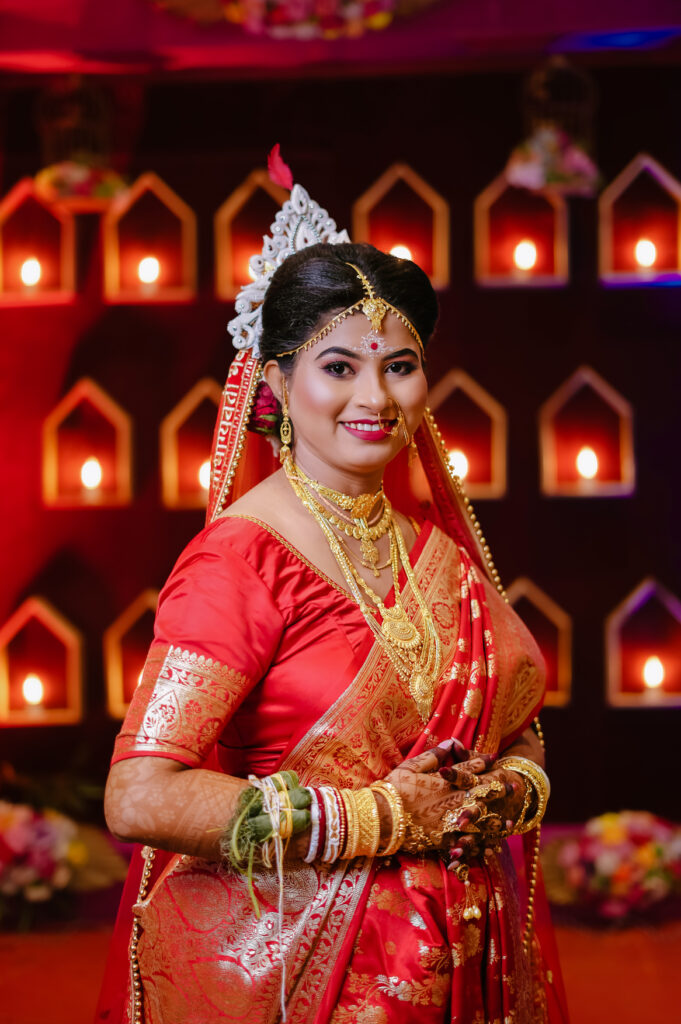
At a wedding, two important moments can happen at once. While one person shares the final preparations with a parent, their partner could be arriving with family members who have made the journey for the celebration. Further into the celebration, relatives greeting each other may coincide with an entrance or a concluding ceremony ritual. Wedding photography plans frequently begin with a list of desired images, but the harder decision is where the team should be when the schedule splits. When selecting a wedding photographer in Bhubaneswar, first consider the occasions that may happen together. These situations can reveal more about your actual photography requirements than reviewing different photography styles and assembling a selection of poses.
Begin with the moments that matter to each of you
Sit down separately and write down two or three things you hope to find in your completed wedding photographs. One partner may particularly value a grandparent's arrival. The other may be interested in what took place at the ceremony venue before entering. A shared list made too early can make these details disappear in favour of standard priorities such as portraits, venue decorations and stage photographs.
Afterwards, identify the important moments happening while you are elsewhere because you will be elsewhere. Photographs can show you how one side of the family welcomed the other, or what happened among your guests before your entrance. When these experiences hold personal significance, include them in your photography instructions. You can generally arrange a couple's portrait at a different time. However, a meaningful family greeting might occur just once.
Share family priorities in ordinary language. A brief that says a grandmother will attend the ceremony but leave before the reception gives the team something to act on. Identify a relative who can introduce her and indicate an appropriate opportunity for a photograph. These details are valuable when photographers are unfamiliar with the relatives attending the wedding.
Put both sides of the wedding on the same timeline
Create one combined schedule that identifies activities, venues and key participants for each part of the day. Allow time for changing clothes, travelling between rooms and bringing family members together when their presence is required. A line marking the ceremony start leaves out much of what the photographer needs to know. Photographers should also understand the expected arrival time of each partner, where the entrances are located and whether guests are expected to be seated before the couple arrives.
Pay particular attention to events occurring at the same time occurring where one cannot easily be seen from the other. If preparations are taking place across separate properties, work out when a team member must depart one venue to reach another in time. Simultaneous activities at the same venue may still be difficult to photograph if the building has multiple levels, busy passageways or different entry points. During the celebration, a relative familiar with the layout and sequence of events could help photographers change positions more efficiently.
For an Odia wedding, ask someone from each family to explain the sequence as it will be observed at your ceremony. Such explanations allow photographers to recognise the key participants, where people will stand and which actions take place quickly. Where the ceremony has specific guidelines about photographers' positions or when additional lighting is appropriate, discuss these requirements before the wedding.
Plan the team's positions when wedding activities happen together
Ask the photographer to walk through one overlap from your schedule. Imagine relatives are preparing to welcome guests on the ground floor while someone is completing the last preparations on an upper floor. Which photographer would be positioned in each location? Which team member would accompany the couple when both activities merge? Their responses will clarify how responsibilities would be divided at your wedding venue.
An additional photographer can be particularly useful if two separate areas must be photographed at the same time. At a compact wedding with a clear sequence, you might prefer to use the available hours to cover more of the reception. Consider your particular event schedule before deciding. When detailed photography of one activity is more important than limited images of two events, say so in the brief.
Where wedding photography and filmmaking teams are covering the same location, ask how they coordinate positions. The space surrounding the ceremony may be restricted, particularly where relatives are positioned around the couple. Consider whether one team member should maintain a wide angle while another photographs from a side position while also planning how they will respond when the central passage becomes busy. Agreeing this in advance leaves the team fewer decisions to make in the middle of an entrance.
Give family portraits a clear place in the day
Organising a group photograph is relatively straightforward when all participants are together. Locating seven family members scattered around the venue is another matter. Identify the family combinations you particularly want photographed, and appoint a family member from each side to bring everyone together. Use names where possible. A label such as ‘extended family’ can leave everyone unsure who should stay for the next photograph.
Give early consideration to guests with the least time available for photographs. Older relatives, families with young children and guests leaving early might be better photographed before other groups. Choose a space close to the ceremony or reception to reduce the distance guests must travel. If family circumstances make a grouping sensitive, share the relevant details privately and ask the designated relative to help position everyone.
Leave a small gap after the group photographs if you want time with your guests. Formal photographs may lead to guests gathering in line to speak with you, especially when the ceremony has only recently finished. A well-considered schedule makes space for guests to speak with you and provides time for a candid wedding photographer in Bhubaneswar to photograph the spontaneous interactions and emotional reunions surrounding the couple.
Review how photographers capture real wedding spaces
When comparing options for the best wedding photography in Bhubaneswar often reveals attractive portraits and professionally edited short films. Try reviewing an entire wedding collection from a venue with comparable conditions. A ceremony held inside during the evening and a daytime celebration on an open lawn give photographers different things to work with. A complete collection from a comparable venue gives you a more useful reference for your own wedding.
Begin by examining photographs from the less dramatic moments. Notice how the photographer frames a busy room, whether family members taking part in rituals can be identified clearly, and whether you can follow what happened as people moved from one space to another. If natural, unposed photography is important to you, see whether the gallery includes interactions among guests when the couple is not present. Those frames can show how much attention the photographer gives to the people around the main event.
If you are evaluating cinematic wedding photography in Bhubaneswar, view an extended wedding film alongside a brief highlight video. Listen for clear voices during key moments if you want to hear blessings or speeches in the finished film. Ask how the team would record sound at your venue, especially if there will be live music, crowds or a venue sound system. Discuss whether you want full recordings of particular moments while confirming the arrangements for delivering those films.
Discover your preferred level of guidance through a pre-wedding photoshoot
A pre-wedding photoshoot in Bhubaneswar can help you discover how comfortable you feel being photographed. Some people relax when they are given a simple action, like taking a walk together or discussing their first meeting. Others prefer clear guidance on where to stand and what to do with their hands. Throughout the photoshoot, notice which suggestions help you relax and those that make it harder to concentrate.
If you are considering a photographer for your pre-wedding session in Bhubaneswar, discuss the setting in practical terms. Think about how busy the space is at the planned hour, how much walking your clothes allow and whether the person responsible for the location needs to approve photography arrangements. Spending a shorter session at one location can allow you to become comfortable with the camera. Visiting several places may be suitable if every location offers something meaningfully different for the images.
Use the experience to shape your wedding-day photography timeline. When you become comfortable with portraits almost immediately, a short session during a natural gap may suit you. When you feel more comfortable after spending some time away from guests, make space for that comfortable, unhurried portraits before the reception begins. Confirm where the session will happen and who should tell family members when to expect you back.
Build travel and setup into an Odisha destination wedding
While planning coverage with a destination wedding photographer in Odisha, share the schedule and a simple layout of the venue. Getting ready, conducting the ceremony and hosting the evening reception might involve separate areas of the property. The photography team requires sufficient time to carry and reposition its gear, check the light and set up sound before guests gather. Establish Best Wedding Photographer in Odisha when rooms become available and whether staff can help the team move between spaces.
Consider the practical details of the indoor ceremony arrangement when some wedding events are scheduled outdoors. Ask where the couple and guests would be positioned and how the team would cover the entrances in that layout. A canopy, covered walkway or indoor room can change the available angles. Walking through the arrangement can help determine whether early positioning is necessary and whether the layout allows easy movement for both attendees and the photography team during the ceremony.
Discuss how the plan would change if an activity is delayed or the reception moves to another space. Write down the confirmed photography and filming hours, any extra charges for extending them, and the images or videos included in the final delivery. When you have a set budget, identify the part of the schedule where coverage hours could be reduced. You might decide to reduce coverage of the preparations to ensure the photographers remain available for a parent's speech.
Prepare a practical photography brief for everyone coordinating the wedding
After the coverage arrangements have been confirmed, create a simplified working document for photographers, filmmakers and the person overseeing the ceremony. Match each activity with its scheduled time, room and key people. Mention where relatives should assemble for family portraits and identify activities requiring different photographers. When a photographer reviews the plan while moving between locations should be able to find the next decision quickly.
If the starting time moves forward or the couple uses a different entrance, assign a specific person to communicate the change. A photographer waiting near the original entrance might otherwise fail to capture the changed entrance while the rest of the team assumes someone else has shared the change. This designated helper can confirm whether a small timing adjustment is practical while an important relative moves into place.
When couples compare options for the best wedding photographer in Odisha can refer to the working plan while evaluating the remaining photography teams. Ask each team how it would organise coverage around the most difficult part of your schedule. Pay attention to clear explanations of camera placement, scheduling and movement. Finally, assess whether the suggested number of photographers and coverage hours are sufficient to make the proposed approach practical during the wedding.
Conclusion
A clear approach to wedding photography in Bhubaneswar begins to emerge when the events that matter most are supported by details about participants, venues and schedules. Identify a point in the celebration where important activities may overlap and discuss the practical arrangements with your photographer before confirming everything. Decide who should be in each space, what should receive priority and who will be responsible for sharing updates. This discussion may create opportunities to capture moments you had not initially considered, from a relative’s arrival to the expressions on the other side of the ceremony.